

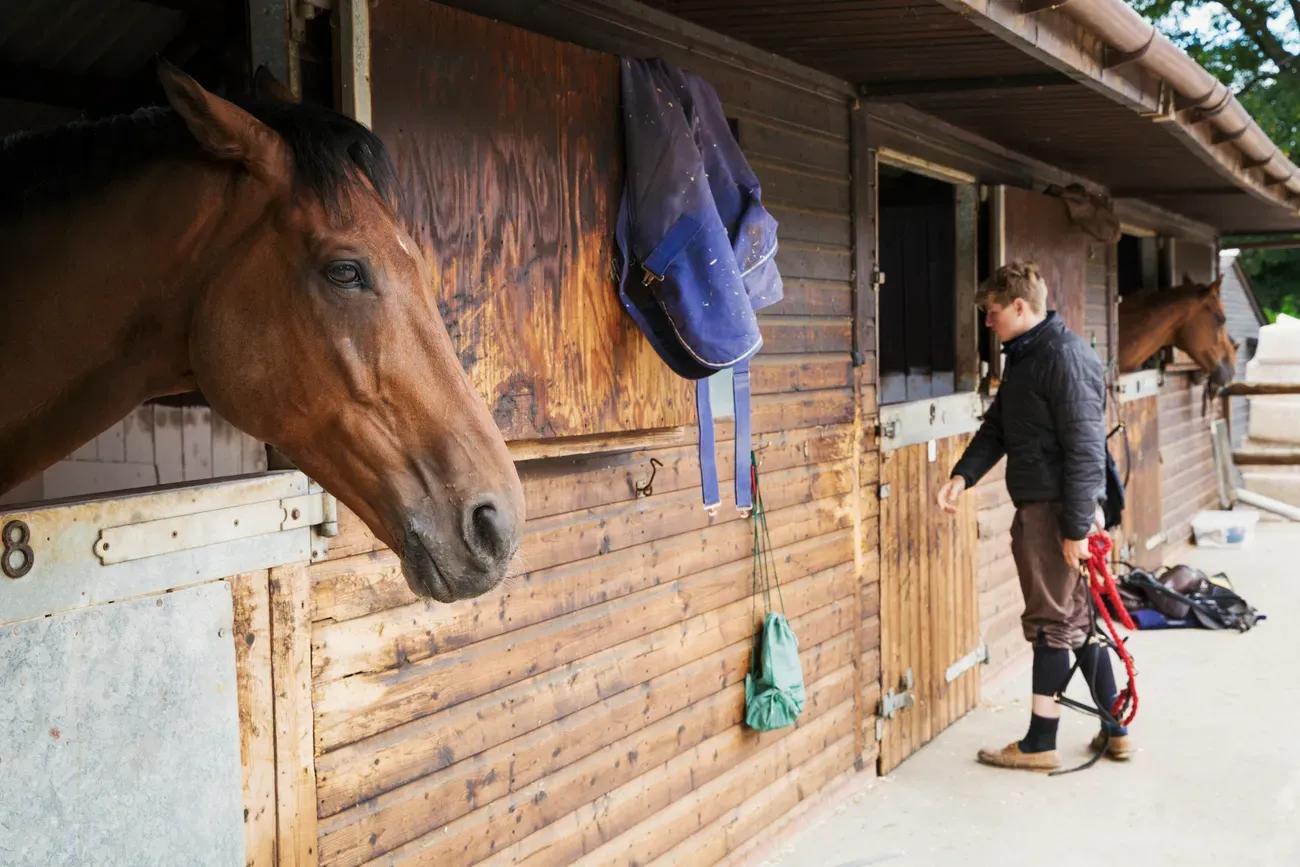
Horse boarding has been around for centuries, but the way facilities manage their operations has barely changed in decades. Most barn owners still rely on paper logbooks, spreadsheets, and word-of-mouth to handle everything from stall assignments to monthly invoicing. That disconnect between a timeless industry and modern expectations is starting to close as new technology makes its way into the equestrian world.
The Old Way Still Dominates
Walk into most horse boarding facilities today and you will find a whiteboard near the barn entrance tracking which horses are in which stalls. Invoices get sent out manually at the end of each month, sometimes handwritten. Communication between facility operators and horse owners happens through text messages, phone calls, and notes pinned to stall doors.
This approach works when a facility manages ten or fifteen horses. But as operations grow, so do the pain points. Missed payments become harder to track. Scheduling farrier visits, vet appointments, and feeding rotations turns into a logistical puzzle that consumes hours every week. A single missed medication or forgotten dietary restriction can have serious consequences for an animal's health.
According to the American Horse Council, the U.S. equine industry contributes over $122 billion to the economy annually, yet most of its day-to-day management still runs on manual processes. Compare that to the pet boarding industry, where software adoption passed 60 percent of facilities by 2022. Horse boarding remains at least a decade behind in technology adoption, and the costs of that gap show up in billing disputes, communication breakdowns, and operational inefficiency.
Where Software Fits In
The shift started in adjacent industries. Veterinary clinics adopted practice management software years ago. Pet boarding facilities moved to platforms like Gingr and PetExec. But horse boarding — with its unique requirements around pasture rotation, specialized feeding schedules, and complex billing structures — never had a purpose-built solution that fit.
That gap is now being filled by a new generation of platforms designed specifically for equine facility management. These tools handle the workflows that general business software cannot, including:
Stall and pasture management with real-time availability tracking
Automated billing that accounts for variable services like extra turnout time or blanketing fees
Owner communication portals where horse owners can check on their animal's status without calling the barn
Health and maintenance logging for each horse, accessible to both the facility and the owner
Integration with payment processors so invoices get paid on time without manual follow-up
One platform gaining traction in this space is Stables.co, which uses artificial intelligence to streamline facility operations while giving horse owners visibility into their horse's daily care. The approach mirrors what has already worked in property management and veterinary software — automate the repetitive work so operators can focus on the animals.
Why the Equestrian Industry Took So Long
Technology adoption in horse boarding has lagged behind other animal care industries for several interconnected reasons. Many barn operators are independent small businesses running on thin margins, with limited budgets for new tools and even less time to evaluate them. The equestrian community also tends to be deeply relationship-driven, and some longtime operators prefer the personal touch of a phone call over a notification on a screen.
There is also a practical barrier that other industries did not face. Horse boarding involves highly variable service structures. One horse might be on full board with daily turnout, blanketing in winter, and twice-weekly supplements. The horse in the next stall might be on pasture board with minimal services. Generic invoicing software cannot handle that level of per-animal customization without extensive manual configuration.
But generational shifts are changing that dynamic. Younger horse owners who grew up with apps for everything expect the same convenience from their boarding facility. A 2023 survey by the United States Equestrian Federation found that 68 percent of respondents under 40 said they would pay more for a facility that offered an online portal for billing and communication.
The economics are pushing facility operators to adapt as well. Labor shortages across rural and agricultural sectors mean barn managers need to do more with fewer staff. Software that automates invoicing, tracks feeding schedules, and sends reminders for upcoming services can save hours every week.
What This Means for Horse Owners
For horse owners, the biggest benefit is transparency. Instead of waiting for a monthly update or hoping nothing was missed during a busy weekend at the barn, digital platforms provide real-time logs of feeding, turnout, and any health observations. Some systems even allow photo uploads so owners can see their horse during the day.
The billing side matters too. Disputes over charges are one of the most common friction points between boarders and facility operators. When every service is logged digitally and tied to an itemized invoice, both sides have a clear record.
Looking Ahead
The equestrian technology market is still young, but the trajectory mirrors what happened in vacation rental management a decade ago. That industry went from paper calendars and cash payments to platforms like Guesty and Lodgify handling everything end to end. Horse boarding is on a similar path, driven by the same forces: rising operational complexity, changing consumer expectations, and the simple reality that automation saves time and money.
For facility operators weighing the switch, the learning curve is smaller than it used to be. Most modern platforms are designed for people who are more comfortable in a saddle than behind a keyboard, with mobile-first interfaces that work from a phone in the barn aisle as easily as from a desktop in the office.
And for horse owners, the shift means better care, better communication, and fewer billing surprises at the end of the month. In an industry built on trust between people who share a love of horses, technology is not replacing that relationship. It is removing the administrative friction that gets in the way of it.